Introduction
In our fast-paced world, where chaos often reigns and stress levels soar, finding avenues for peace and tranquility becomes essential. One such avenue, ballet dance both invigorating and serene, is dance. Dance as Mindfulness Practice: Finding Peace in Motion encapsulates the essence of how rhythmic movement can serve as a meditative experience. This article delves deep into the connection between dance, mindfulness, and emotional well-being. Whether you're an experienced dancer or someone who's just curious about dance studio for kids the art form, you'll find insights that resonate with you.
Understanding Mindfulness
What is Mindfulness?
Mindfulness is a state of active, open attention to the present moment. It involves observing your thoughts and feelings without judgment. In essence, mindfulness teaches us to embrace life as it unfolds.
The Benefits of Practicing Mindfulness
Practicing mindfulness has numerous benefits for mental and emotional health:
- Reduces Stress: Mindfulness enables individuals to manage their reactions to stress. Enhances Focus: By centering oneself in the present moment, focus improves significantly. Boosts Emotional Health: Engaging in mindfulness can lead to improved mood and emotional resilience.
The Intersection of Dance and Mindfulness
How Does Dance Promote Mindfulness?
Dance has a unique ability to bring individuals into the present moment. When you focus on your body’s movements, rhythm, and expressions, you naturally cultivate mindfulness.
Exploring Various Dance Styles for Mindfulness
Different dance styles offer distinct pathways to mindfulness:
- Ballet: The precision required in ballet encourages concentration and discipline. Contemporary: This style allows freedom of expression through movement. Hip-Hop: Engaging with beats helps dancers lose themselves in rhythm.
Creating a Dance Studio Environment for Mindfulness
What Makes a Dance Studio Ideal for Mindful Movement?
A dance studio designed with mindfulness in mind should possess certain qualities:
Calming Atmosphere: Soft lighting, warm colors, and minimal distractions create a peaceful environment. Spacious Design: Ample space allows dancers to move freely without feeling cramped. Sound Quality: High-quality sound systems enhance the auditory experience of music.Choosing the Right Location
Selecting a location for your dance studio plays an integral role in fostering mindfulness. Consider accessibility, surrounding nature, and community feel when choosing your space.
Dance Techniques that Foster Mindfulness
Breath Awareness in Dance
Breath serves as a crucial anchor during dancing. By syncing breath with movement, practitioners can deepen their connection to both their body and emotions.
Body Awareness: Listening to Your Movements
Being aware of how each part of your body moves fosters greater self-acceptance and understanding. This awareness cultivates an inner dialogue that enhances overall mindfulness.
The Emotional Impact of Dance as a Mindfulness Practice
Dance as an Expression of Emotion
Dance allows individuals to express feelings that might be difficult to articulate verbally. The movements become a language of their own, conveying joy, sorrow, or even anger.
Building Emotional Resilience through Movement
Regularly engaging in dance can help build emotional resilience by providing an outlet for stress relief and self-expression.
Scientific Insights into Dance and Mindfulness
Research Studies Supporting Dance as Therapy
Recent studies indicate that integrating dance into therapeutic practices can significantly enhance mental health outcomes:
- A study published in The Arts in Psychotherapy found that participating in creative arts like dance reduced anxiety levels among participants. Another research project highlighted improvements in mood among older adults who engaged regularly in group dance classes.
Understanding Neuroplasticity Through Dance
Neuroplasticity refers to the brain's ability to reorganize itself by forming new neural connections throughout life. Dancing promotes neuroplasticity by challenging the brain’s coordination processes while enhancing cognitive function.
Integrating Community into Your Dance Experience
The Power of Group Dynamics in Dance Classes
Dancing with others fosters a sense of belonging—a vital component for emotional well-being:
- It creates opportunities for social interaction. Participants often report feeling more motivated when dancing together than solo.
Building Supportive Networks Through Dance Studios
By joining local dance studios or communities focused on mindful movement practices, individuals can find support systems that encourage personal growth through shared experiences.
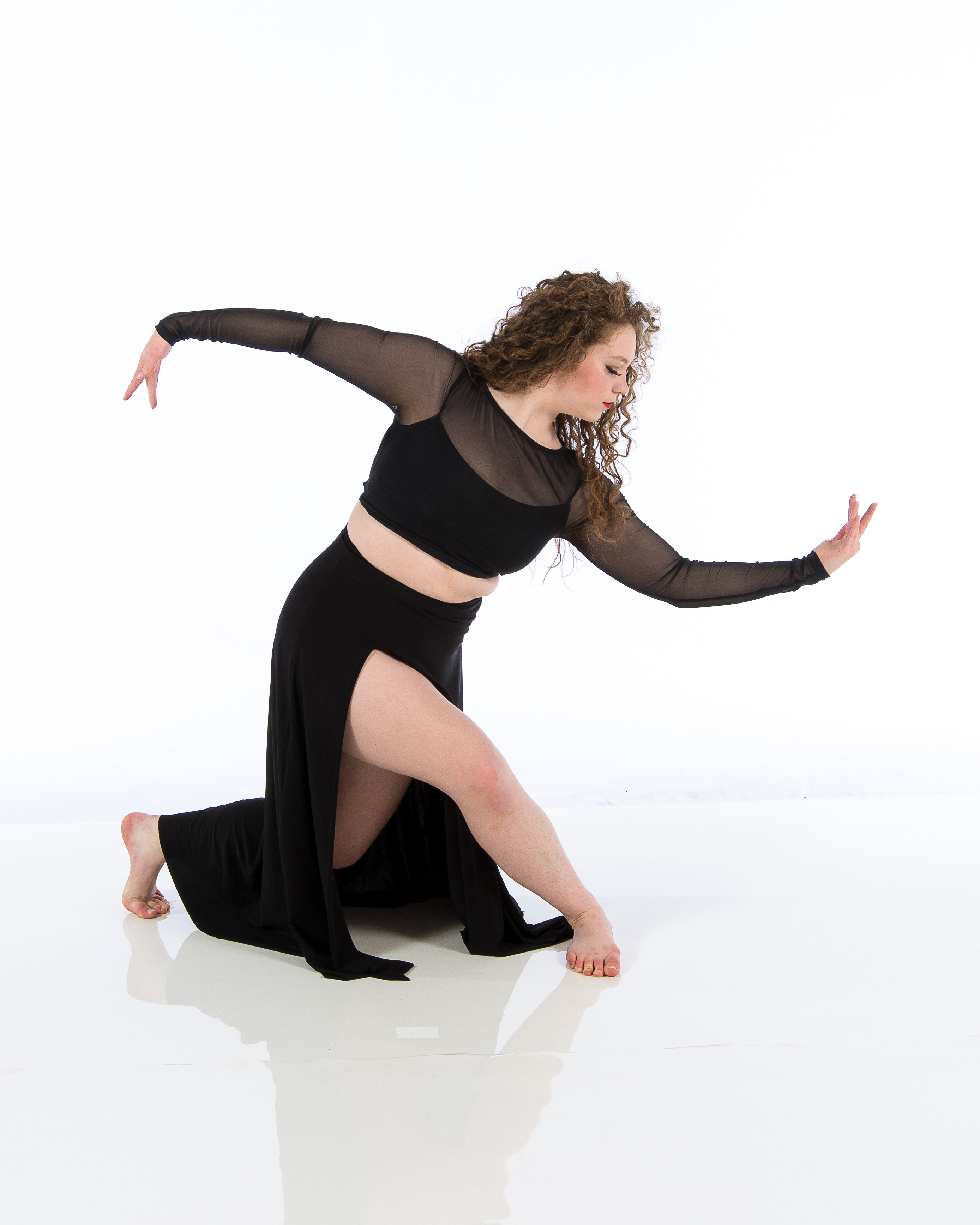
Personalizing Your Dance Journey
Finding Your Unique Style
Identifying which type of dance resonates best with you is crucial for sustaining interest:
Experiment with different genres until you find what feels right. Attend workshops or classes focusing on various techniques.Setting Personal Goals
Goal-setting within your dance journey can promote accountability while enhancing motivation:
- Aim for specific milestones (e.g., mastering a technique). Reflect on personal growth periodically to appreciate progress made over time.
Practical Tips for Incorporating Mindful Dancing at Home
Creating Your Own Space
You don’t need a formal studio setting; designate an area at home where you feel comfortable moving freely—this could be your living room or backyard!
Developing a Routine
Establishing a regular schedule helps reinforce the practice:
Set aside dedicated times each week solely for mindful dancing. Use this time not only for movement but also reflection on how it affects your mood and mindset.Dance as Meditation: A Deeper Dive
Transitioning from Traditional Meditation Practices
For those accustomed to traditional meditation methods (like sitting quietly), transitioning into mindful dancing may feel odd initially—but it's all about practice! The key lies in embracing movement as meditation rather than viewing it solely through performance lenses.
Combining Movement with Visualization Techniques
While dancing mindfully:
- Visualize letting go of negativity with every step. Imagine drawing energy from positive surroundings—essentially creating an internal landscape where peace blossoms through motion.
FAQs About "Dance as Mindfulness Practice: Finding Peace in Motion"
What type of dance is best for practicing mindfulness?- Any style can promote mindfulness! However, contemporary forms tend to emphasize free expression which many find liberating.
- Absolutely! Many people find solace when engaging solo; just carve out some personal time without distractions!
- Consistency matters more than frequency! Aim for regular sessions (even short ones) instead of sporadic lengthy ones—this builds habit effectively!
- Yes! Numerous studies demonstrate positive outcomes regarding anxiety reduction & enhanced mood among participants who incorporate creative arts like dancing into their routines!
- Definitely! Introducing kids early helps instill healthy coping mechanisms & encourages creativity—all essential traits leading toward balanced growth!
- Not at all! Open-mindedness & willingness are all you need—begin wherever feels comfortable whether it's following tutorials online or simply grooving along with music!
Conclusion
Dance as Mindfulness Practice: Finding Peace in Motion encapsulates not just an activity but also an enriching lifestyle choice that invites introspection while facilitating joy through rhythmical expression! Embracing this practice leads towards greater self-awareness—allowing us space within our busy lives where calmness resides amidst chaos surrounding us every day!
By integrating these principles into daily life—whether at home or within supportive communities—we unlock countless benefits rooted deeply within ourselves waiting patiently until we choose actively pursue them through motion-filled moments ahead! So lace up those shoes & let’s get moving toward peace together!